Happy 10th Birthday: International Space Station!

This month, the International Space Station turns 10.

One of the coolest examples of humanity’s huge leaps forward in technology, it’s still an amazing sight to behold 10 years later.

In December 1998, the crew of Space Shuttle Mission STS-88 began construction of the International Space Station.Ā  Long live the ISS!

Click to Enlarge:

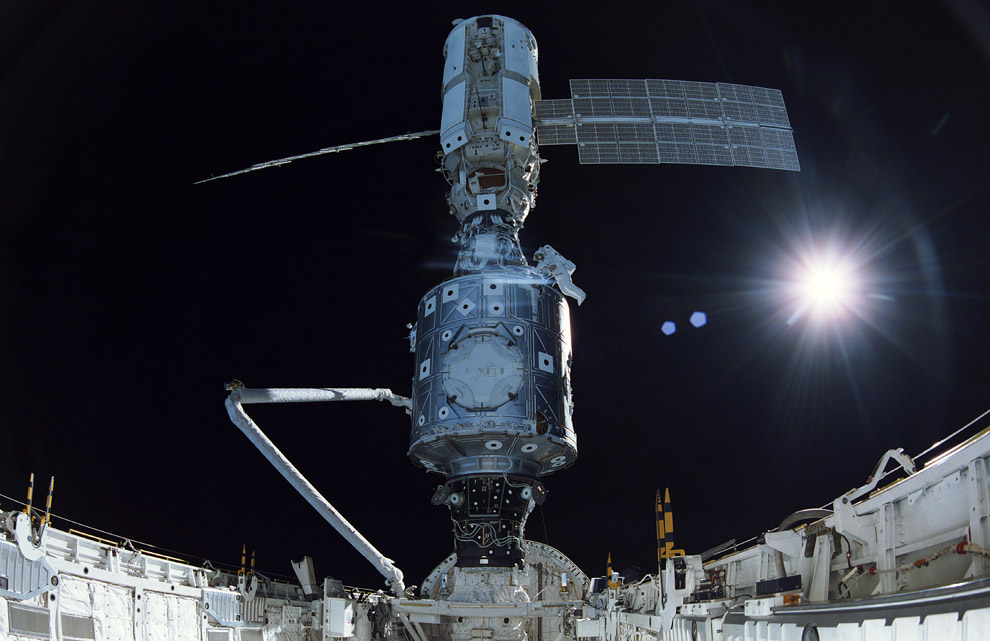
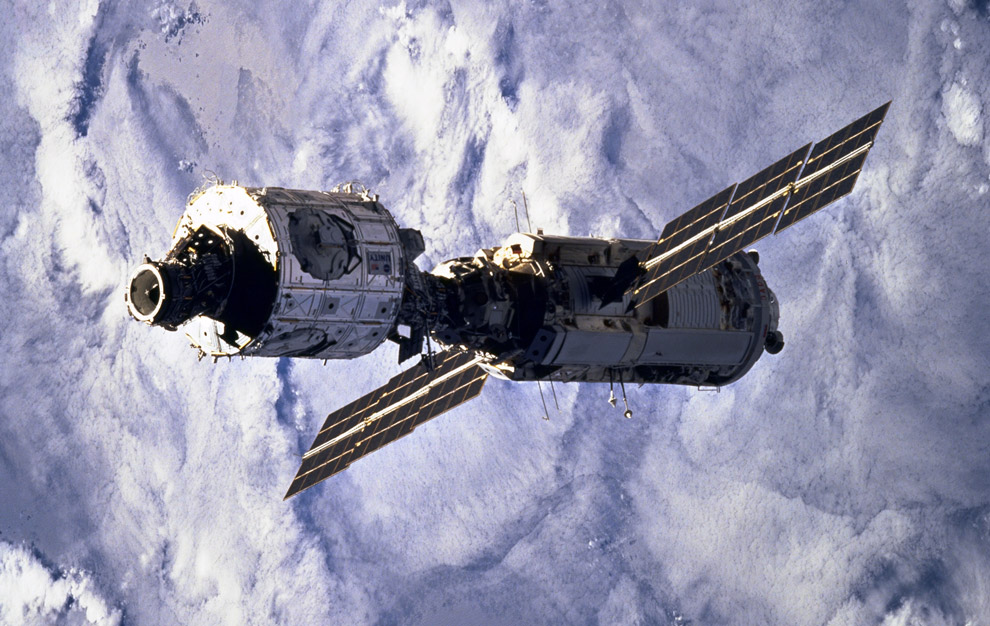
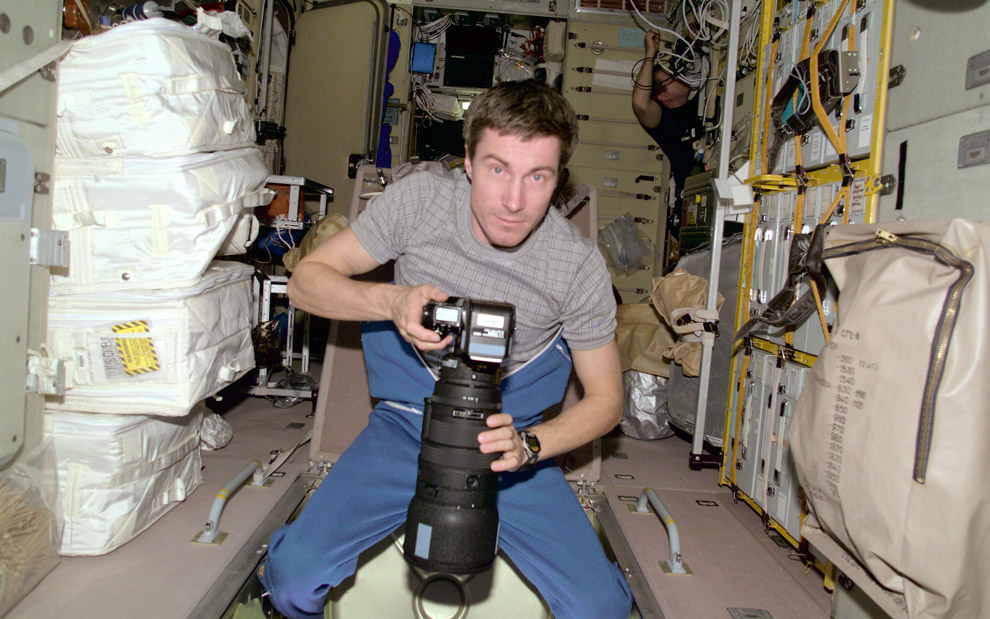
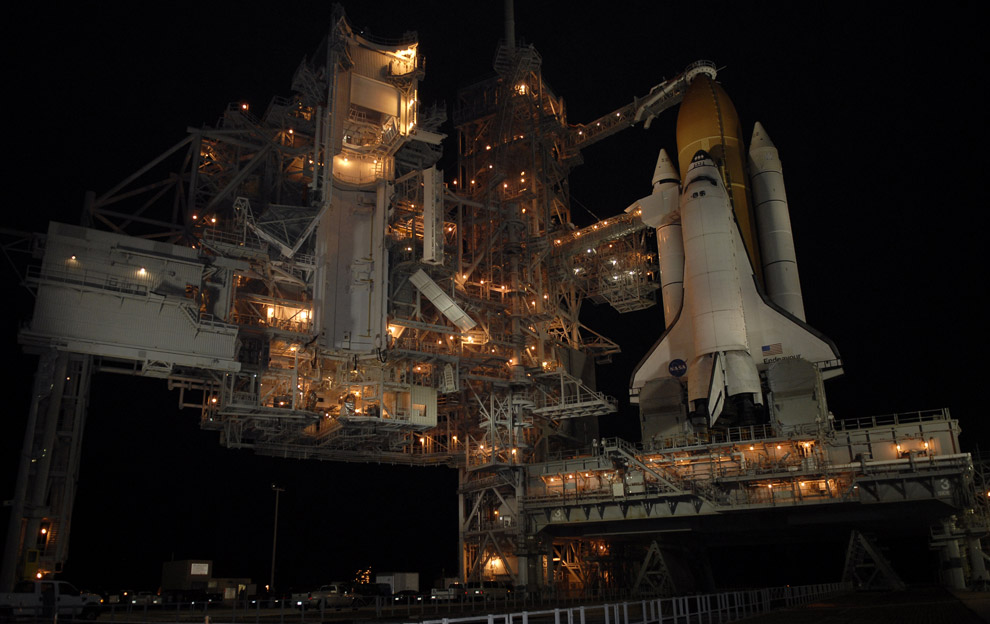
Astronaut James Newman is seen here making final connections the US built unity node to the Russian built Zarya Module - large format imax camera photoRussian-built FGB, also called Zarya, approaches the Space Shuttle Endeavour and the U.S.-built Node 1, also called Unity [foreground]Astronaut Robert L. Curbeam, STS-98 mission specialist, was photographed by a member of the Expedition One crew in the newly installed Destiny laboratory during the second of three space walks on February 12th, 2001Blanketing clouds form the backdrop for this 70mm scene of the connected Zarya and Unity modules after having been released from Endeavour's cargo bay a bit earlier on December 4th, 1998Cosmonaut Sergei K. Krikalev, Expedition One flight engineer, prepares to photograph some geographic targets of opportunity through a viewing port on the International Space Station's Zvezda (December of 2000)Space shuttle Endeavour is shown after rollback of the rotating service structure. The rollback was in preparation for liftoff on the STS-126 mission with a crew of seven

Above Endeavour’s external tank is the vent hood, known as the “beanie cap,” at the end of the gaseous oxygen vent arm, extending from the fixed service structure. Below is the orbiter access arm with the White Room at the end, flush against the shuttle. The rotating structure provides protected access to the shuttle for changeout and servicing of payloads at the pad. Photo taken Nov. 14, 2008.
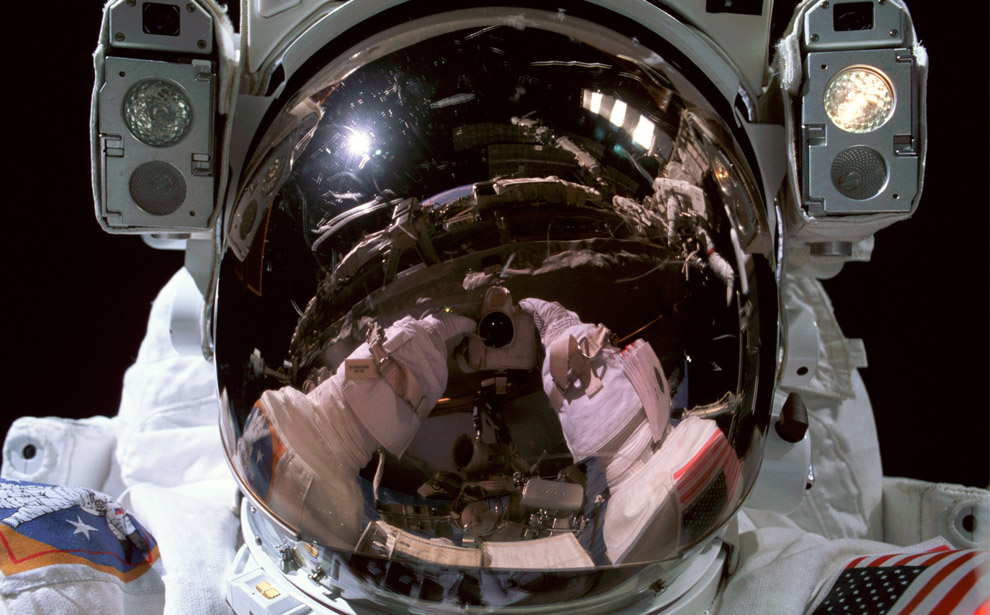
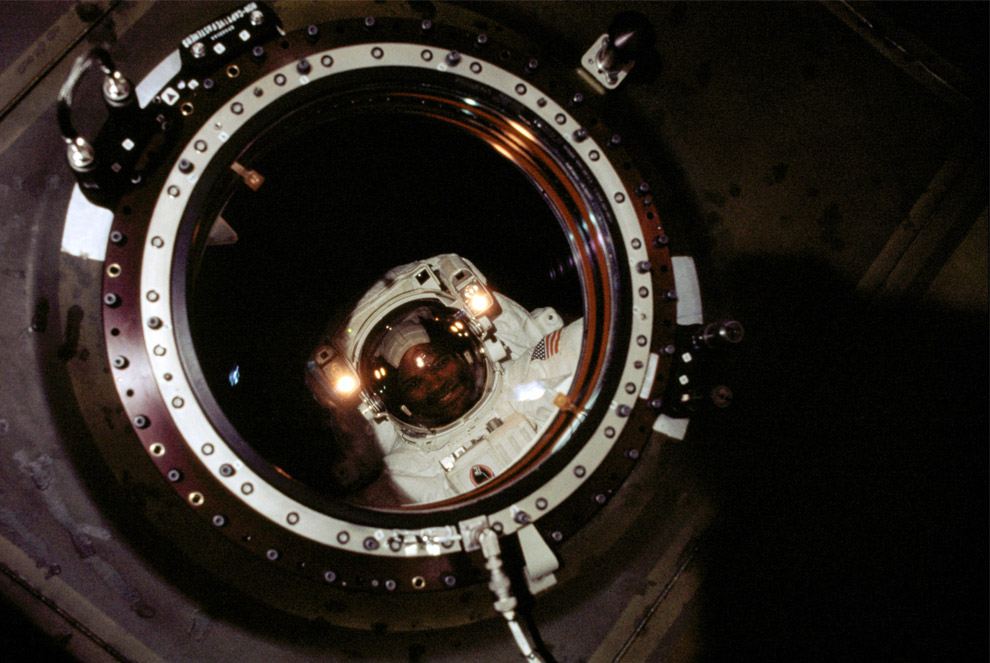
Astronaut Donald R. Pettit, Expedition 6 NASA ISS science officer, photographs his helmet visor during a session of extravehicular activity (EVA) on January 15th, 2003The Phantom Torso

The Phantom Torso, seen here on May 13th, 2001 in the Destiny laboratory on the International Space Station (ISS), is designed to measure the effects of radiation on organs inside the body by using a torso that is similar to those used to train radiologists on Earth. The torso is equivalent in height and weight to an average adult male. It contains radiation detectors that will measure, in real-time, how much radiation the brain, thyroid, stomach, colon, and heart and lung area receive on a daily basis. The data will be used to determine how the body reacts to and shields its internal organs from radiation, which will be important for longer duration space flights.
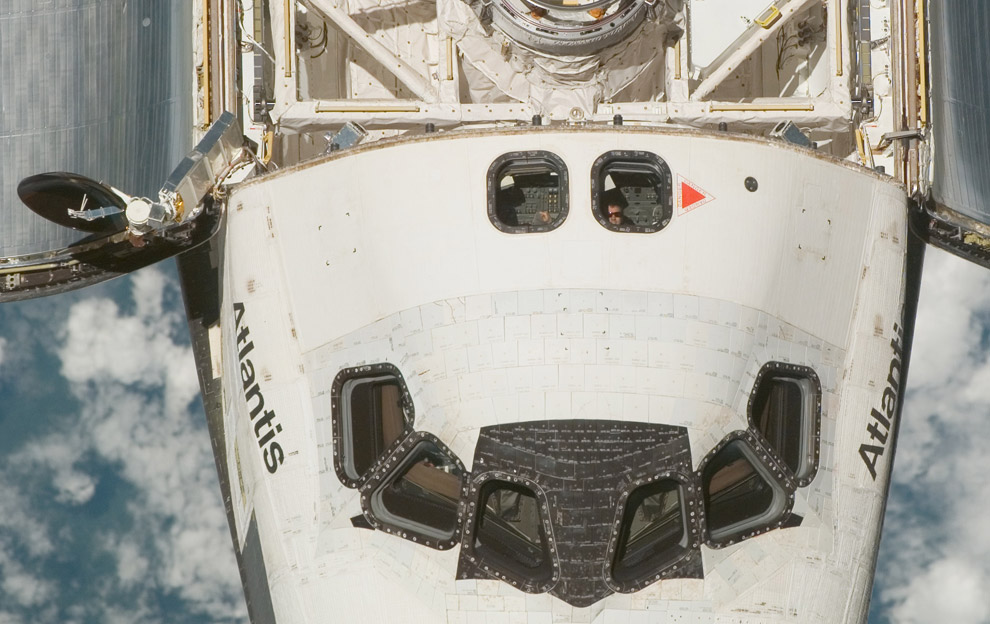
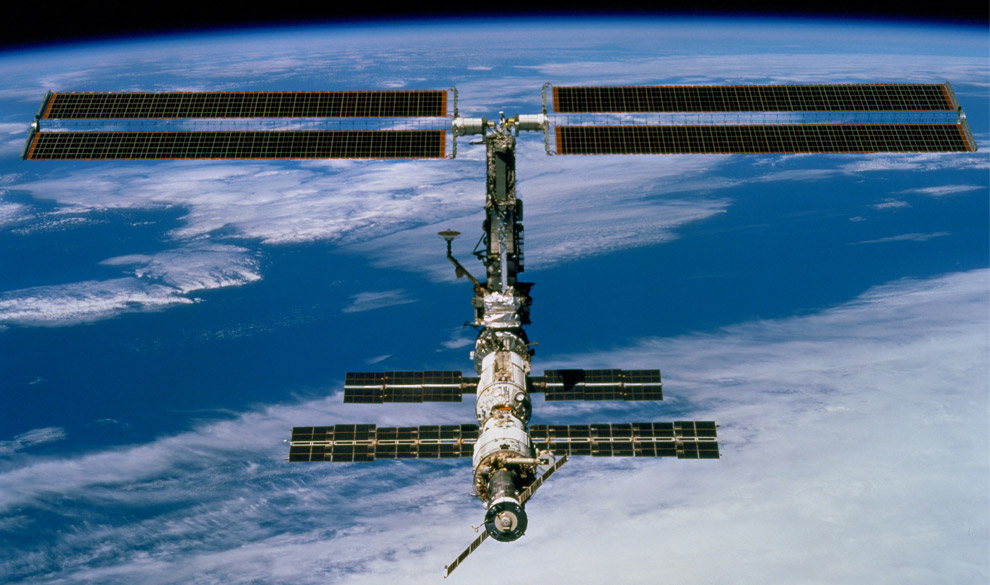
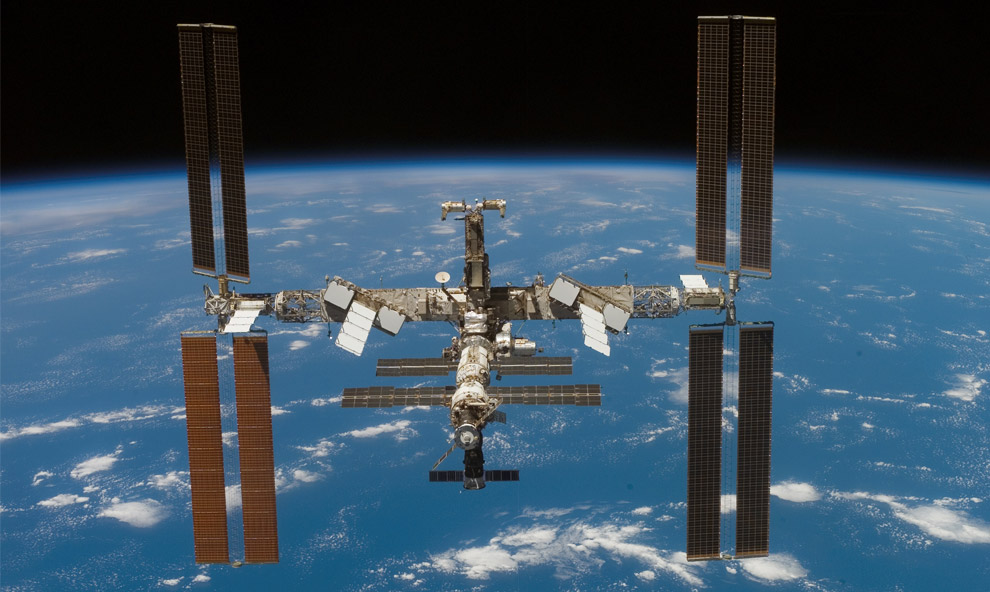
An overhead view of the exterior of the Space Shuttle Atlantis' crew cabin, part of its payload bay doors and docking system was provided by Expedition 16 crewmembersThe ISS, seen following undocking at 1.13 p.m. (CST), December 9, 2000. This is one of the first images of the entire station with its new solar array panels deployed

Before separation, the shuttle and space station had been docked to one another for 7 days. Endeavour moved downward from the space station, then began a tail-first circle at a distance of about 500 feet. The maneuver, with pilot Michael J. Bloomfield at the controls, took about an hour.
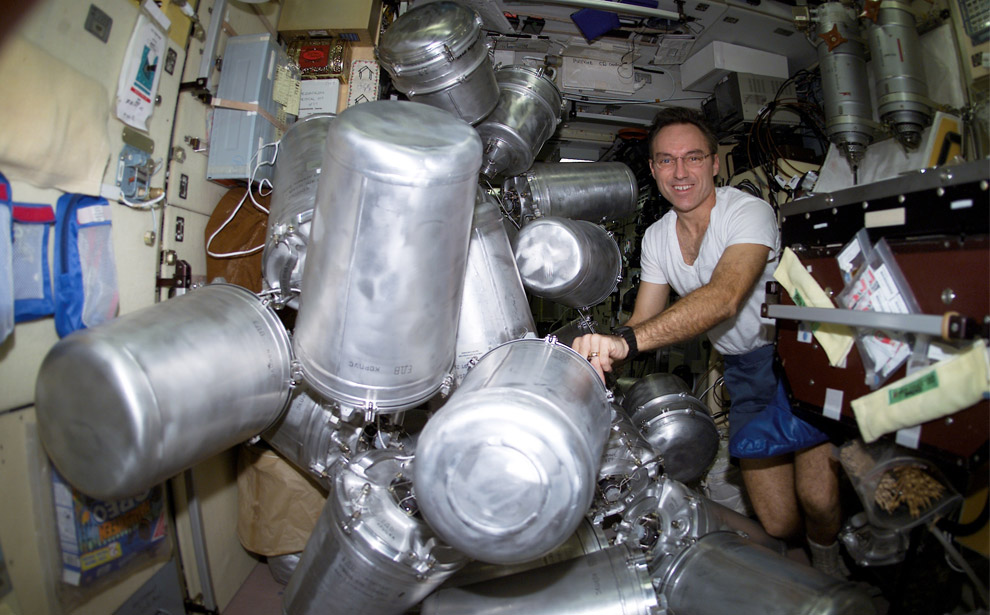
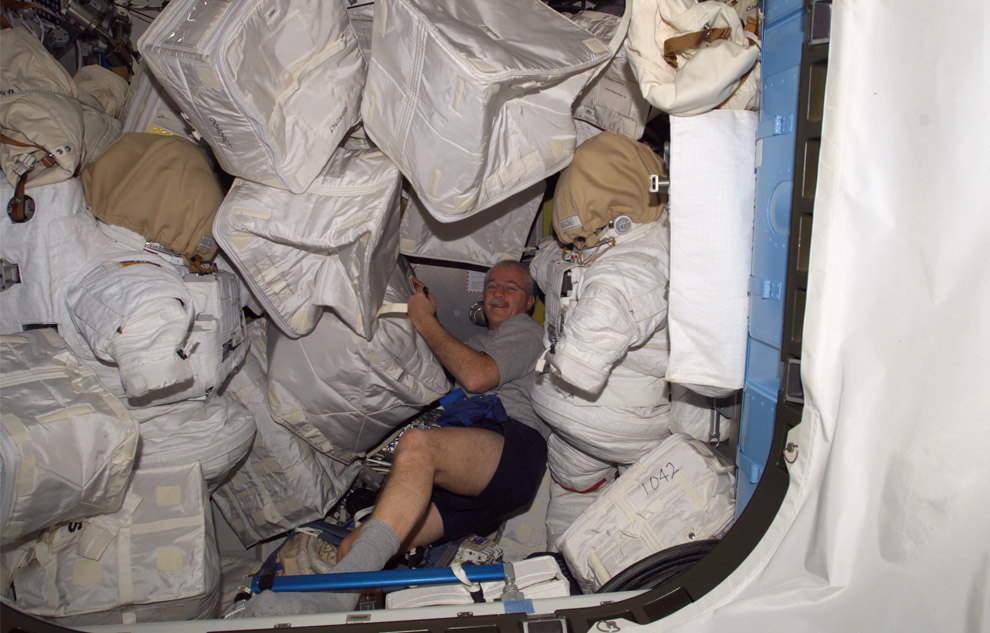
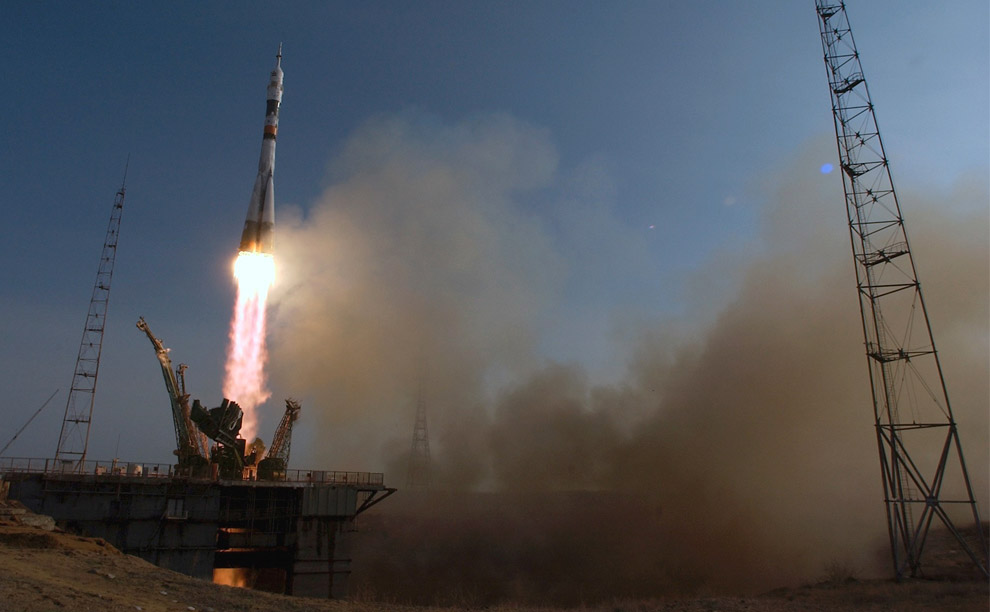
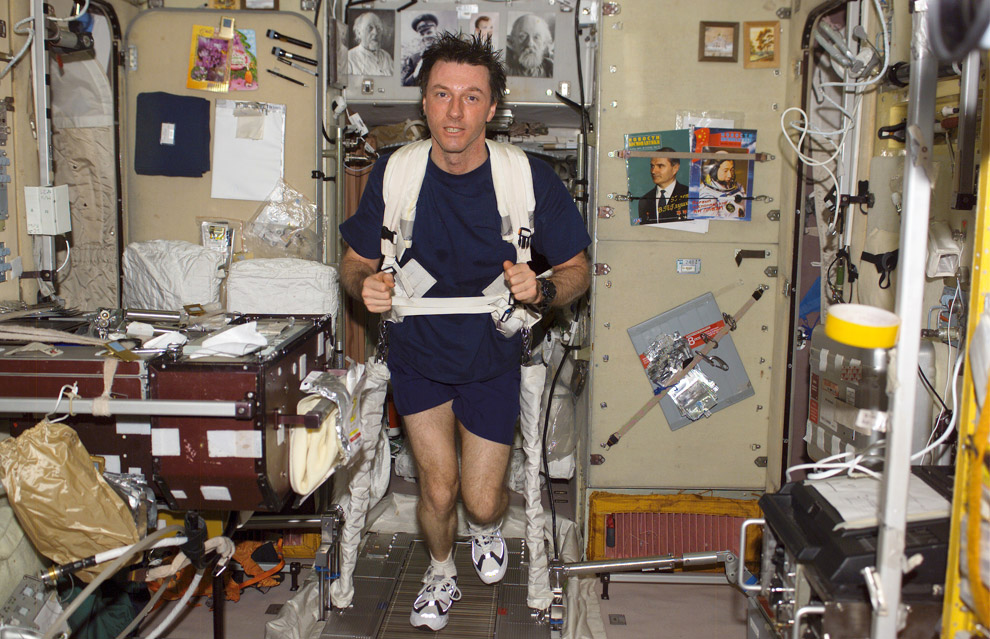
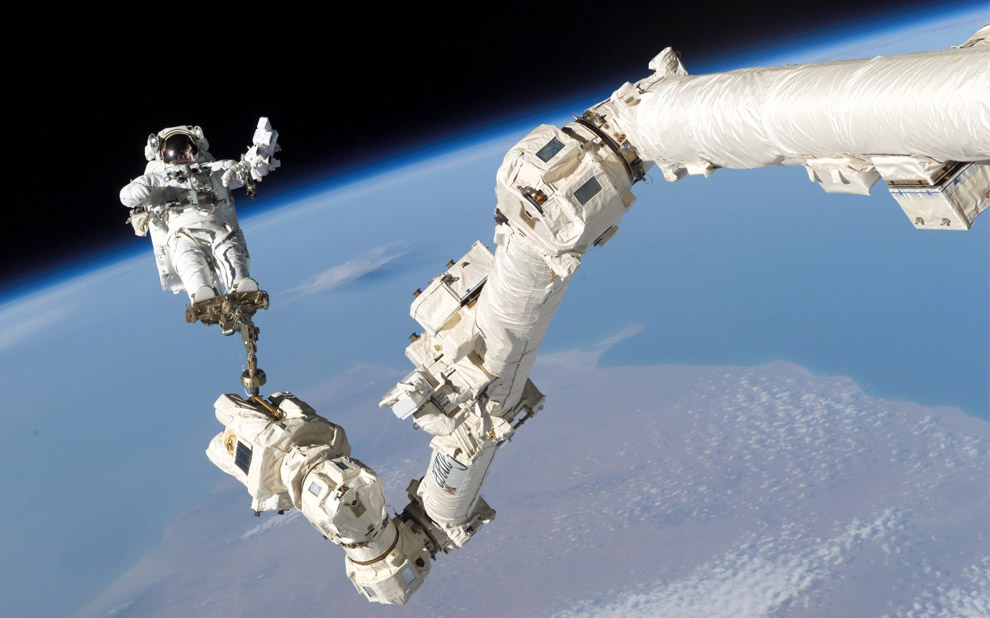
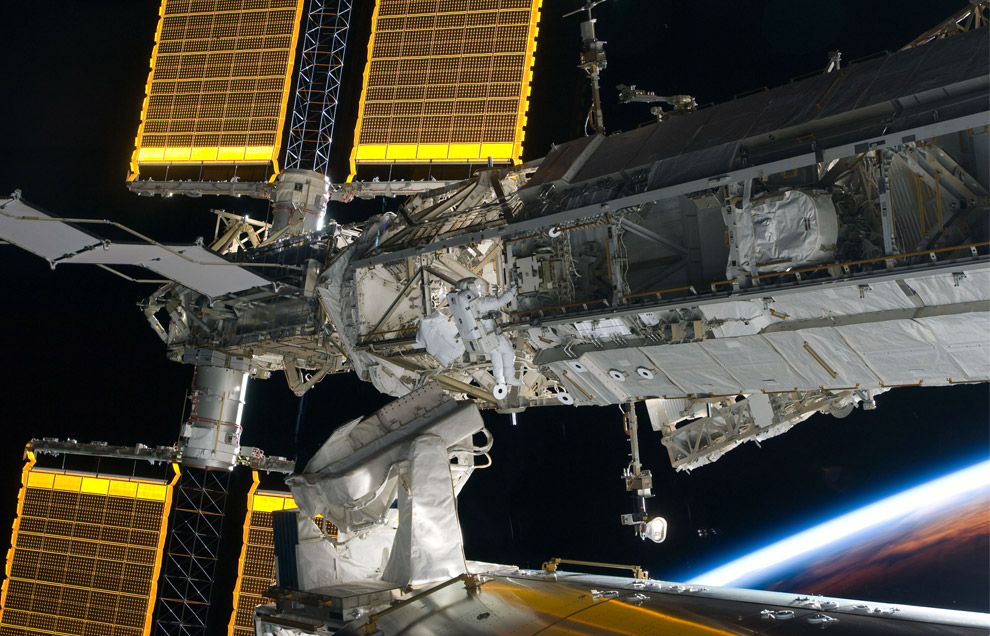
Astronaut Carl E. Walz, Expedition Four flight engineer, catalogs canisters of water in the Zvezda Service Module on the International Space Station on March 11th, 2002Astronaut John L. Phillips, Expedition 11 NASA ISS science officer and flight engineer, is photographed among stowage bags in an airlock on the ISS on May 18th, 2005Space Shuttle Atlantis backdropped over a mountainous coastline was photographed on February 16th, 2001 by the three-man ExpeditionThe Soyuz TMA-4 vehicle blasts off from the Baikonur Cosmodrome in Kazakhstan on April 19, 2004, carrying a crew of three to the ISSThe Canadarm2 (center) and solar array panel wings on the International Space StationAstronaut C. Michael Foale, Expedition 8 commander and NASA ISS science officer, equipped with a bungee harness, exercises on the Treadmill Vibration Isolation System (TVIS) in the Zvezda Service Module on the ISSAstronaut Stephen Robinson rides the 17-meter-long Canadarm2 during the STS-114 mission of the space shuttle Discovery to the ISS in August of 2005

The Canadarm2 aboard the ISS has multiple joints and is capable of maneuvering payloads as massive as 116,000 kilograms, equivalent to a fully loaded bus.
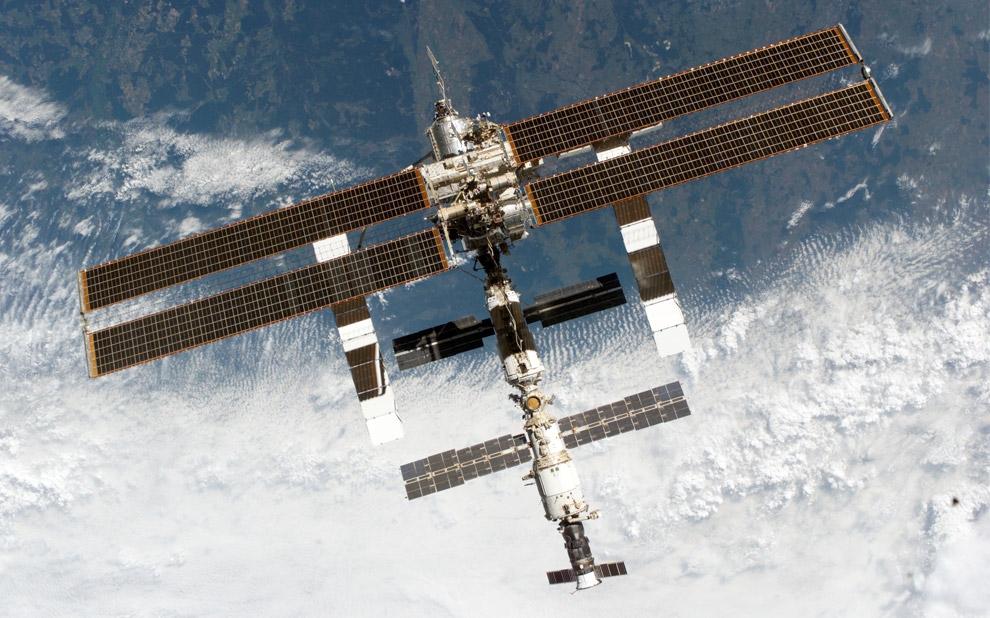
The ISS is backdropped against a cloud-covered part of Earth as the orbital outpost moves away from the Space Shuttle Discovery on August 6th, 2005A spacesuit-turned-satellite called SuitSat began its orbit around the Earth after it was released by the ISS Expedition 12 crewmembers during a session of extravehicular activity (EVA) on Feb. 3, 2006

SuitSat, an unneeded Russian Orlan spacesuit, was outfitted by the crew with three batteries, internal sensors and a radio transmitter, which faintly transmitted recorded voices of school children to amateur radio operators worldwide. The suit entered the atmosphere and burned a few weeks later.
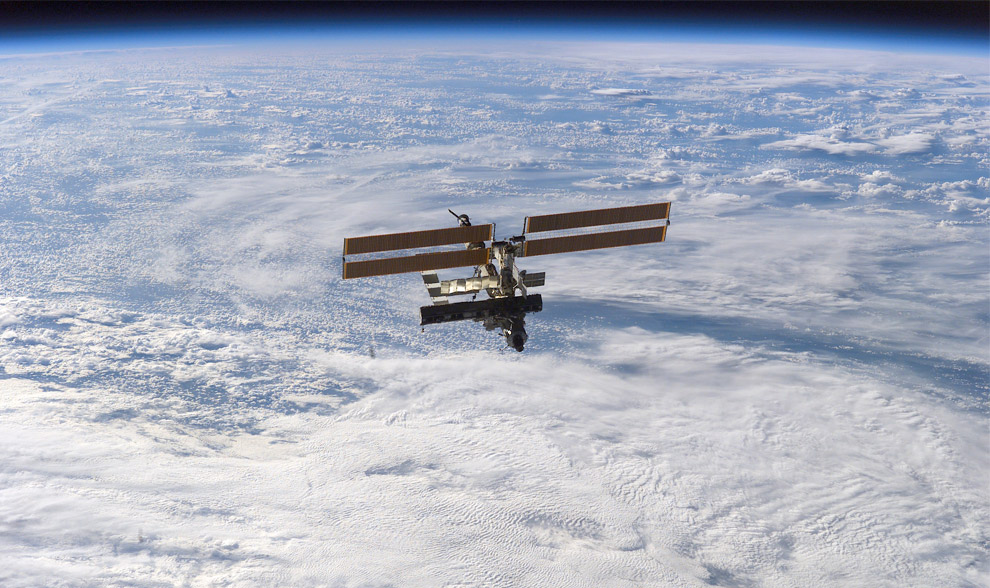
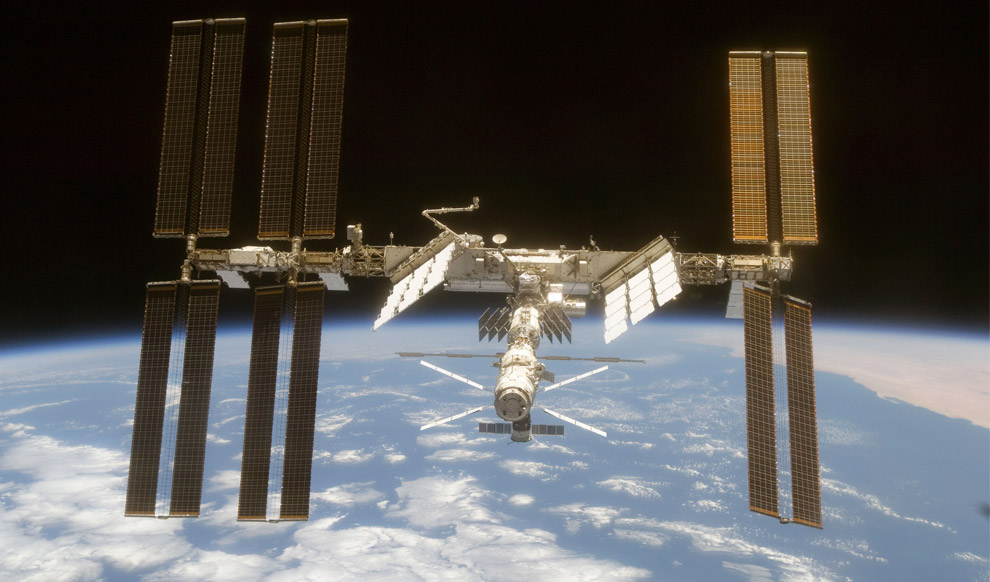
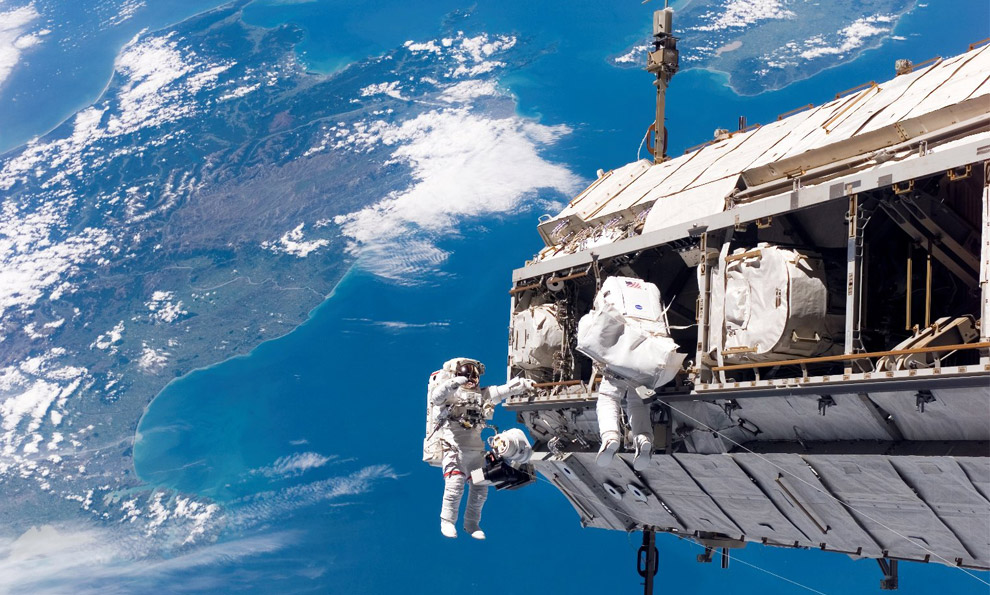
Space Shuttle Atlantis following the undocking of the two spacecraftThe ISS is seen from Space Shuttle Discovery as the two spacecraft begin their relative separationHigh above New Zealand and Cook Strait, astronauts Robert L. Curbeam and Christer Fuglesang work to attach a new truss segment to the ISS and begin to upgrade the power grid on December 12th, 2006


New Zealand!

Astronaut Steve Bowen, STS-126 mission specialist, participates in the mission's first session of extravehicular activity (EVA) on November 18th, 2008, as construction and maintenance continue on the ISS

During the six-hour, 52-minute spacewalk, Bowen and astronaut Heidemarie Stefanyshyn-Piper (out of frame), mission specialist, worked to clean and lubricate part of the station’s starboard Solar Alpha Rotary Joints (SARJ) and to remove two of SARJ’s 12 trundle bearing assemblies. The spacewalkers also removed a depleted nitrogen tank from a stowage platform on the outside of the complex and moved it into Endeavour’s cargo bay.
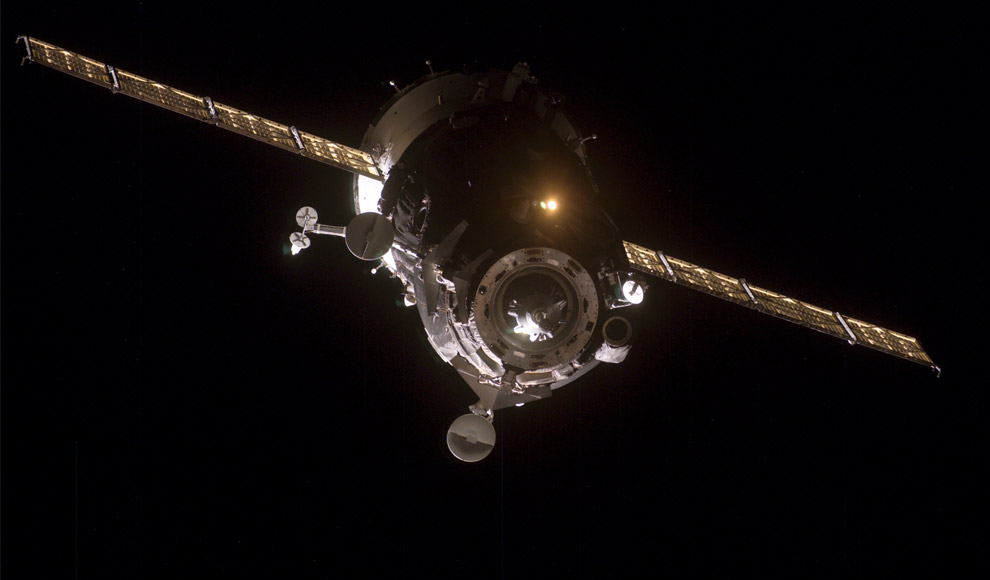
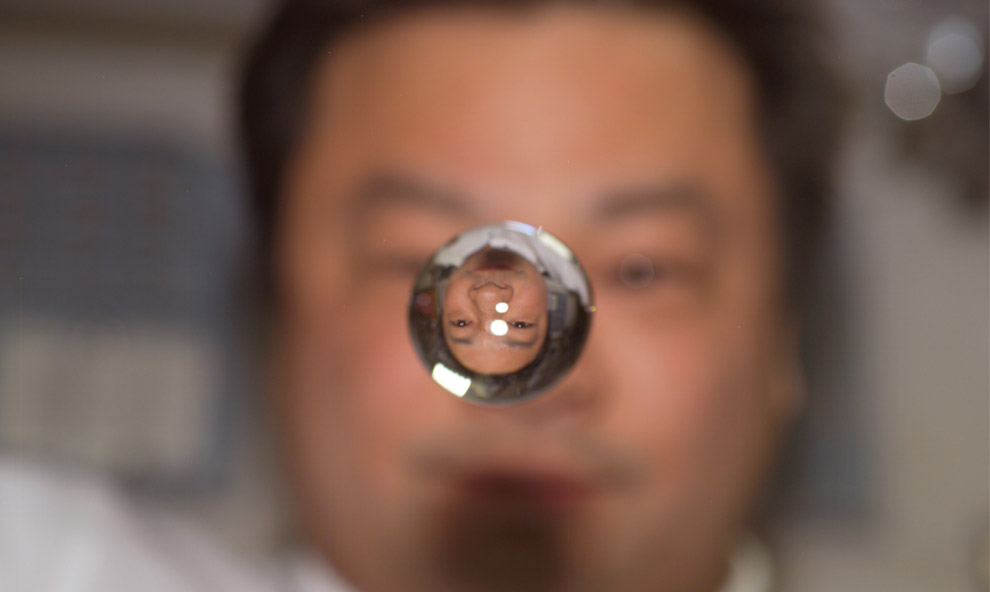
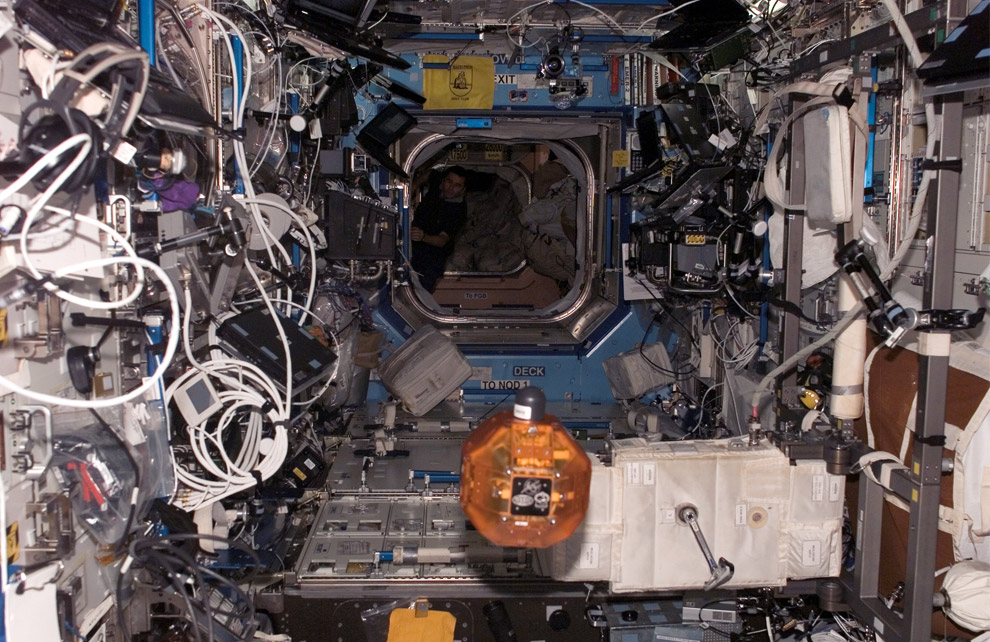
The Soyuz 14 (TMA-10) spacecraft approaches the International Space StationAstronaut Leroy Chiao, Expedition 10 commander and NASA ISS science officer, watches a water bubble float between him and the camera, showing his image refracted, on the IISS on January 15th, 2005Destiny laboratory of the International Space Station shows one floating ball-shaped item which is actually one of the Synchronized Position Hold, Engage, Reorient, Experimental Satellites The Expedition Three (white shirts), STS-105 (striped shirts), and Expedition Two (red shirts) crews assemble for a group photo in the Destiny laboratory on the International Space Station on August 17th, 2001The ISS is seen moving away from the Space Shuttle Atlantis on June 19th, 2007

Ā Extraordinarily Epic!

~ by Fionnlagh on November 25, 2008.

Leave a comment