
Survivor Samoa: Heroes vs. Villains were flow in by New Zealand Helicopters!
Apparently New Zealand troops were waiting for extraction by helicopter in Iraq that never came. They later learnt the choopers were being used overtime for this show:
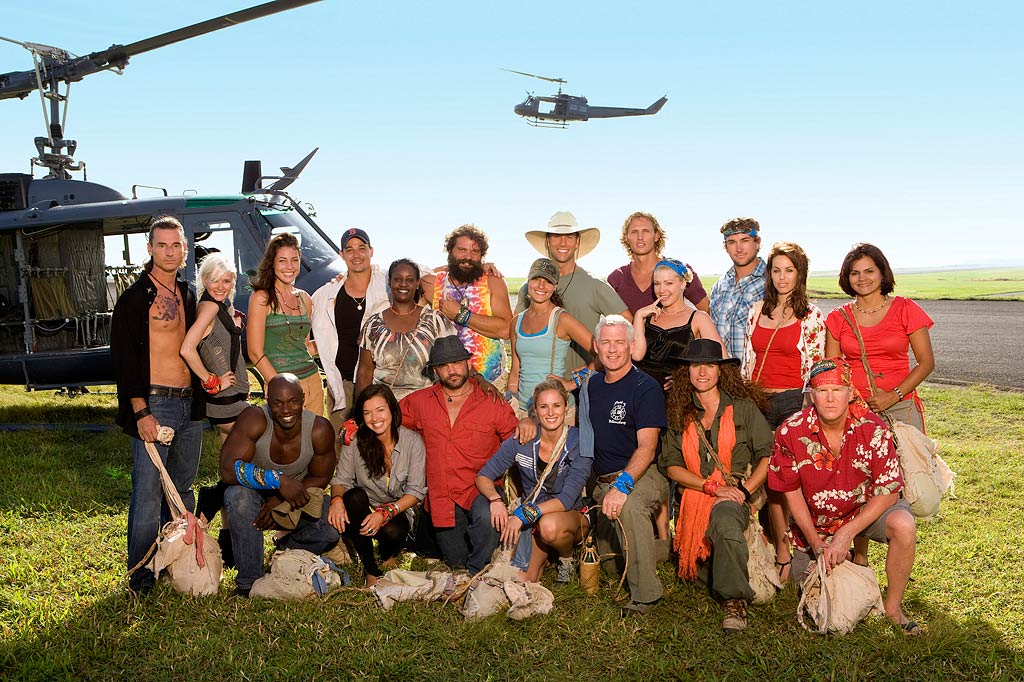
Air Force helicopters were used to transport contestants on reality-TV show Survivor for free.
The flights happened on the Samoan island of Upolu last year, when an all-star version of the show was being filmed.
The air force says the flights were part of a month-long training exercise aimed at helping pilots fly in tropical conditions.
Defence Minister Wayne Mapp supports the decision.
The episode featuring footage of contestants on four Iroquois helicopters was shown on Thursday night on New Zealand television.
Air force spokesman Squadron Leader Kavae Tamariki said the show had requested through the Samoan Government to use the helicopters. “They wanted something dramatic.”
The air force was in Samoa at the time on an annual exercise called Tropic Astra, which ran from July 29 to August 31 last year, he said. The main purpose of the exercise was to train pilots how to fly in the tropics. “The helicopters don’t perform as well in the heat.”
The air force spent time helping the Samoan Government with tasks, but the Survivor request also fulfilled its training requirements, Squadron Leader Tamariki said.
He estimated the flights, which took the contestants from one side of Upolu to the other, had taken 10 to 12 minutes. No payment had been asked for or given for the flights.
“The value for us was in the training … It’s just like in New Zealand when we fly into small towns around the country.”
The show had taken some awesome footage of the helicopters, he said. Air force personnel had been keen to help with the request.
Dr Mapp said he supported the decision to fly the Survivor contestants. He was unconcerned no money had been paid. “The air force supported the Survivor programme within allocated tasking hours for Exercise Tropic Astra.”
Samoa had deemed Survivor important for tourism, Dr Mapp said.


 🎭
🎭 